



Creating a foundation for a pergola – stable fastening with threaded rods and nuts
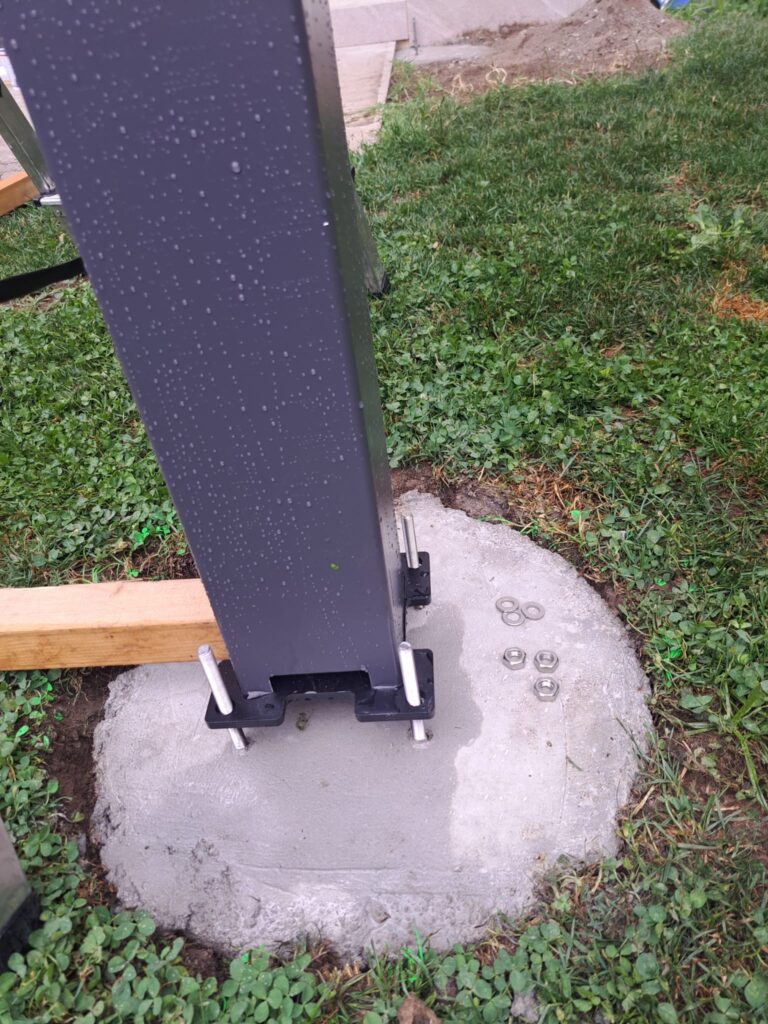
Anyone who wants to set up a pergola permanently and safely needs a stable foundation. Especially with freestanding pergolas, a firm footing is crucial – not only for the longevity of the construction but also for safety in wind and weather. A proven method for stable assembly is Embedding threaded rods in concrete, on which the pergola was subsequently fixed with nuts will.
Why a concrete foundation?
A concrete foundation provides the necessary stability to permanently support the load of a pergola. Especially with metal or aluminum pergolas, a solid foundation ensures that nothing shifts or sags. The structure remains stable even under heavy wind loads.
Embedding threaded rods in concrete – here's how it works
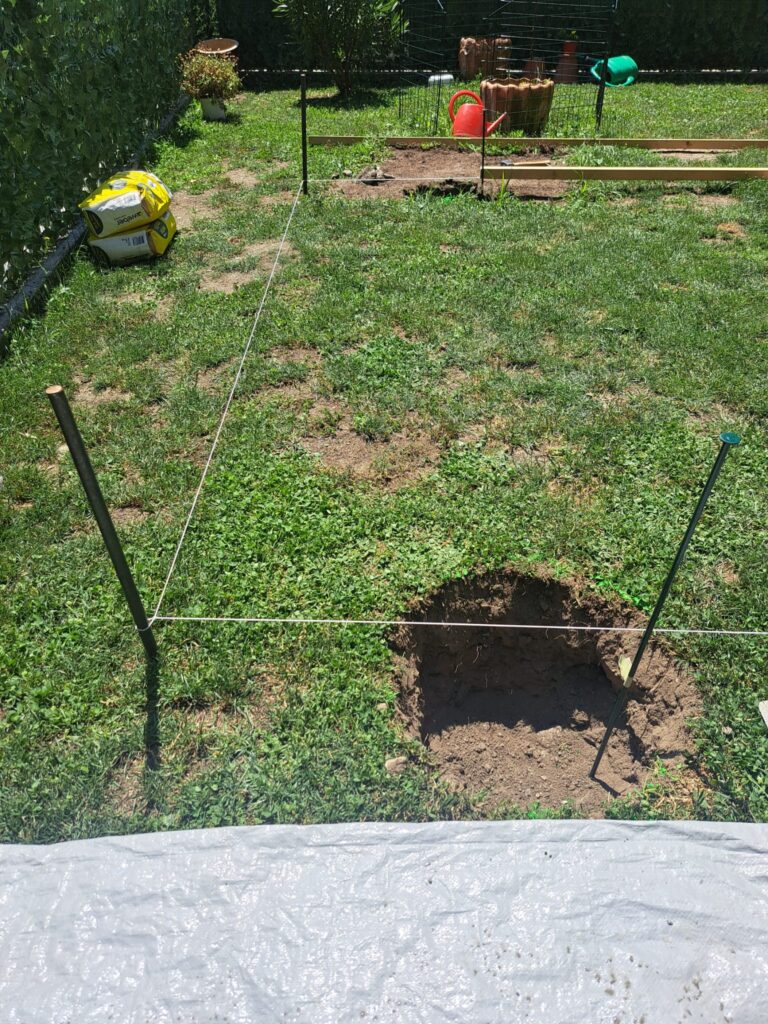
- Dig foundation holes: Depending on the size of the pergola, holes approximately 30-40 cm in diameter and 50-60 cm deep are dug at the designated points.
- Mix and pour concrete: The concrete (e.g., rapid-setting concrete) is filled into the holes – ideally using a formwork board or pipe shape to achieve clean edges.
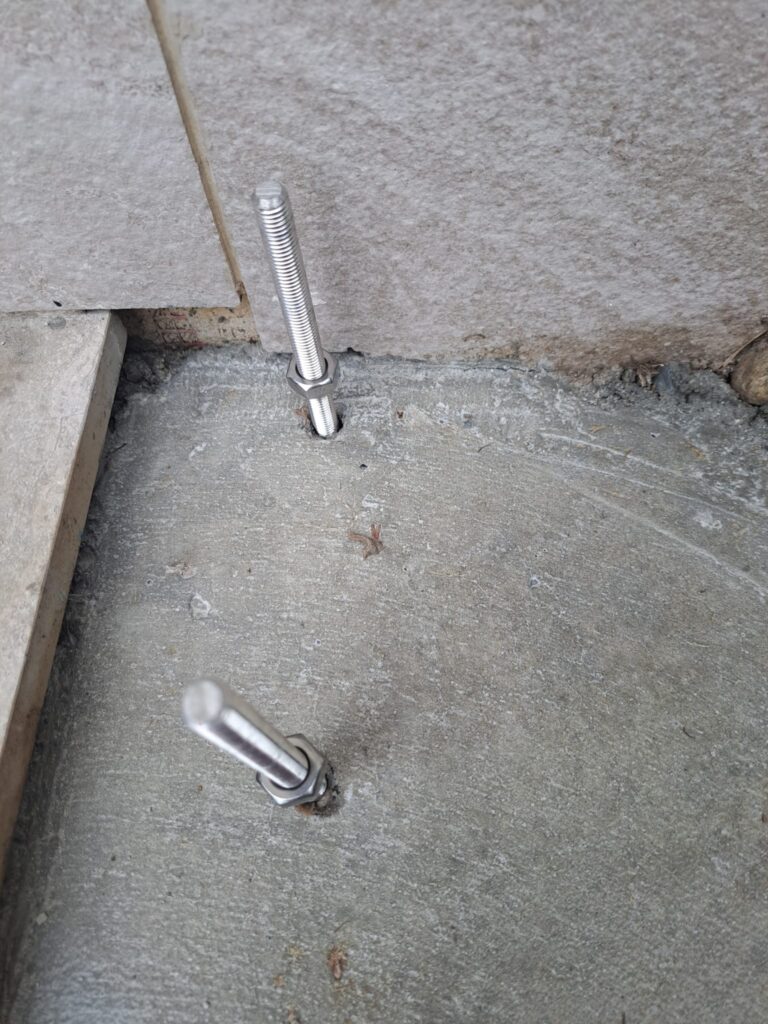
- Insert threaded rods: Still in the wet concrete Galvanized or stainless steel threaded rods installed vertically. The position must be exact – aligning with a spirit level and assembly aid is recommended.
- Let it cure: The concrete should cure for 24–48 hours, depending on the weather, before the pergola is assembled.
- Install posts and fasten with nuts: The posts of the pergola are slipped over the threaded rods and then with washers and nuts firmly screwed. This creates a permanent, tensile connection.
Advantages of Assembly with Thread Rods and Nuts
- Maximum stability through direct connection with the foundation
- Weather-resistant, especially when using stainless steel threaded rods
- Easy disassembly or readjustment possible
Ideal for: Aluminum, steel, or wooden pergolas
The assembly with threaded rods is for Aluminum Pergolas as well as Wood or steel construction suitable. Especially with modern pergolas with clean lines, this type of attachment appears particularly neat and professional.
Conclusion:
A professionally created Foundation with cast-in anchor bolts forms the stable base for any pergola. The combination of concrete, metal connector, and precise assembly ensures maximum durability – and makes your pergola not only look good, but also stand securely.
Alternative Method: Post-drilling and fixing with industrial adhesive
Instead of the Anchoring threaded rods directly in fresh concrete, is there also the possibility, this after the foundation has cured to assemble. To do this, the holes at the corresponding positions drilled into the hardened concrete foundation retrospectively – ideally with a hammer drill or core drill.
Subsequently, the Threaded rods with special industrial adhesive (e.g., injection mortar or two-component adhesive) mechanically anchored in the concrete. This method offers high holding force and is particularly suitable when exact positioning is only to take place after concreting.
Advantages of this method:
- More flexible positioning the threaded rods after hardening
- High load capacity through professional bonding mortar
- No rush in inserting the poles, as the curing time of the concrete is independent
- Clean and controlled assembly the anchoring